
The brighter your LCD display, the more power it consumes—right? Mostly yes, but there’s more nuance to how brightness, backlight design, and efficiency interact. In this guide, we explain how to balance high brightness with power-efficient performance, especially for outdoor or battery-powered applications.
1. The Relationship Between Nits and Power
Brightness in LCDs is measured in nits, which directly correlates with the power drawn by the backlight module. Typical examples:
- 🔅 400 nits LCD: ~2.5W (typical)
- 🌤️ 1000 nits LCD: ~4–6W
- ☀️ 2000 nits LCD: 8W or higher (depending on size)
The majority of LCD power is consumed by the LED backlight, especially in high-brightness modules designed for outdoor use.
2. LED Backlight Efficiency
Not all high-brightness LCDs are inefficient. Modern LCDs with mini-LEDs or low voltage LED arrays can achieve 1000+ nits with lower energy use. Important features include:
- ⚡ High-lumen/watt LED chips
- 💡 Edge lighting vs direct lighting layout
- 🌫️ Reflector films and diffuser enhancement
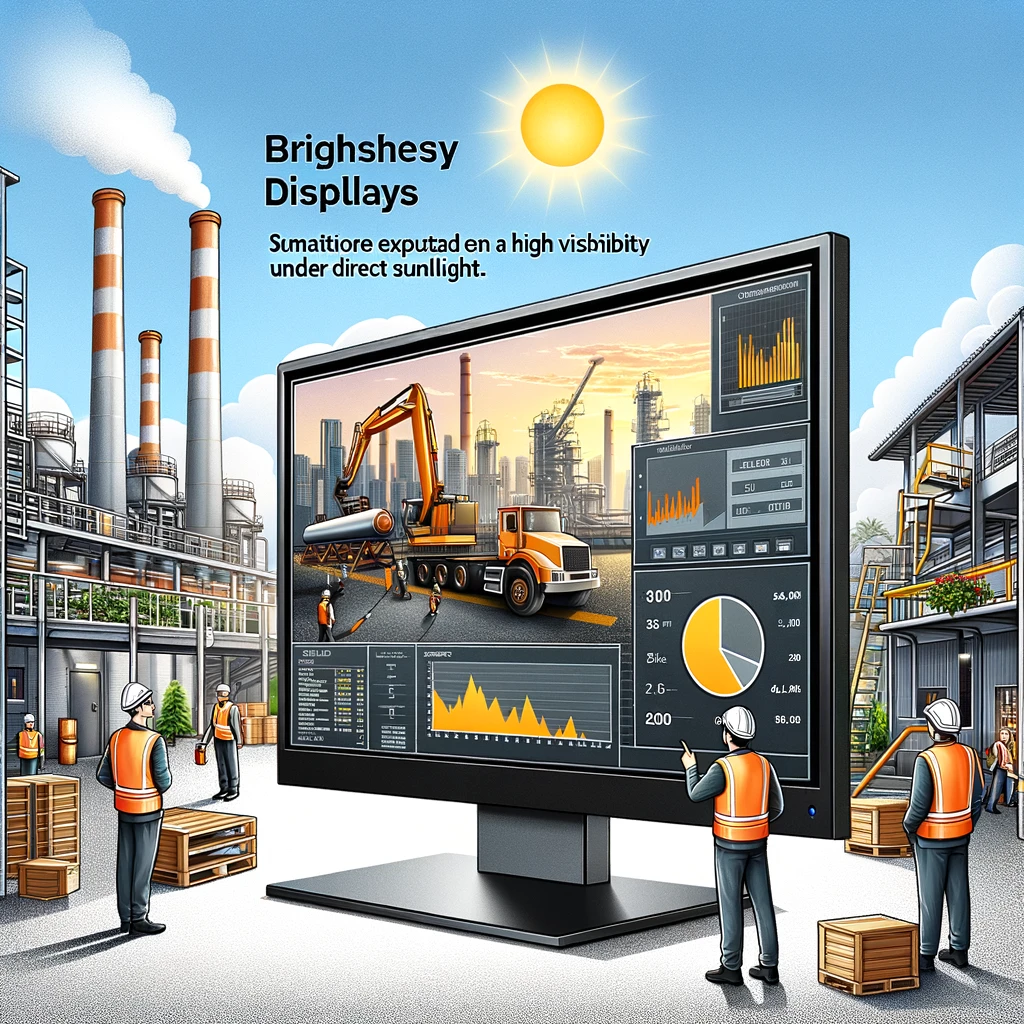
3. Smart Brightness Control
For mobile, solar-powered, or vehicle-mounted applications, adaptive brightness algorithms make a big difference. These include:
- 🌙 Ambient light sensors (ALS)
- 🧠 PWM or analog dimming based on usage cycles
- ⚙️ MCU-controlled brightness profiles (time-based or user-defined)
4. Other Power Considerations
- 🔋 LCD driver board standby consumption (some may use <1W, others >3W)
- 🧲 Interface type (MIPI uses less power than HDMI)
- ❄️ Heat management: brighter screens generate more heat, increasing cooling demand
Best Practice: Match Brightness to Environment
Avoid using a 2000-nit screen in a shaded kiosk. Similarly, don’t under-power a 600-nit display in full sun. XIANHENG engineers can help you match the correct brightness spec to your ambient light, enclosure design, and system power capacity.
How XIANHENG Designs for Power & Performance

We offer energy-optimized LCD modules with:
- Custom brightness ranges from 400 to 2000 nits
- PWM brightness control support (on MIPI, LVDS, TTL)
- Power consumption reports with each model
- System-level power budget consulting
👉 See power-efficient high brightness displays
📞 Talk to our technical team
🧪 Read about our backlight design process


