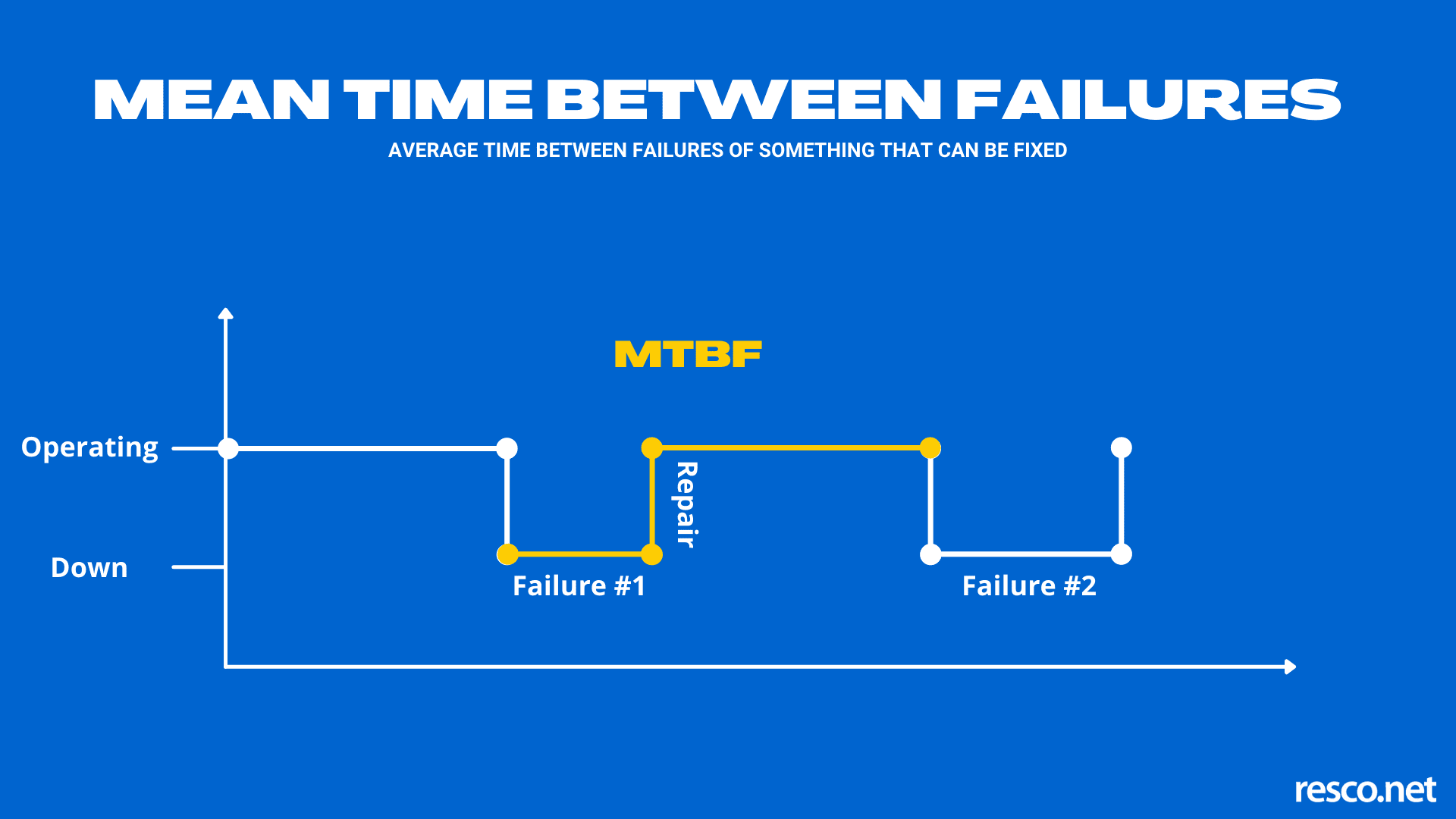
When selecting components for industrial applications, understanding the reliability and longevity of each part is crucial. One key metric used to assess the dependability of hardware components, including Industrial LCDs, is the Mean Time Between Failures (MTBF). This article delves into the MTBF of Industrial LCDs, exploring its significance, factors influencing it, and how it impacts the selection and maintenance of these displays in industrial settings.
MTBF, or Mean Time Between Failures, is a reliability metric that estimates the average time between inherent failures of a system or component during operation. It is typically expressed in hours and provides insight into the expected performance and reliability of a product. For instance, an MTBF of 100,000 hours suggests that, on average, a failure would occur after 100,000 hours of operation.
In industrial environments, where equipment is often subjected to continuous operation and harsh conditions, understanding the MTBF of components like LCDs is vital. A higher MTBF indicates greater reliability, which translates to reduced downtime, lower maintenance costs, and improved overall efficiency. Therefore, selecting components with a high MTBF is essential for ensuring the longevity and dependability of industrial systems.

The MTBF of an Industrial LCD is significantly influenced by the quality of materials used and the manufacturing processes employed. High-quality components and precise manufacturing techniques contribute to a longer MTBF, ensuring that the display can withstand the rigors of industrial use.
Environmental factors such as temperature, humidity, and exposure to dust or chemicals can impact the MTBF of Industrial LCDs. Displays operating in extreme temperatures or high-humidity environments may experience accelerated wear and tear, leading to a reduced MTBF. Therefore, it's crucial to consider the specific environmental conditions in which the LCD will operate when evaluating its expected reliability.
The type of backlighting used in an LCD also affects its MTBF. Traditional Cold Cathode Fluorescent Lamp (CCFL) backlights have a shorter lifespan compared to Light Emitting Diode (LED) backlights. LED backlit displays often boast higher MTBF values due to their energy efficiency and longer operational life.

MTBF is calculated by dividing the total operational time by the number of failures observed during that period:
For example, if an LCD operates for 10,000 hours and experiences 2 failures, the MTBF would be:
This calculation provides an average estimate of the time between failures under specific conditions.
It's important to note that MTBF calculations are based on statistical averages and do not predict the exact time to failure for individual units. Additionally, factors such as scheduled maintenance and varying operating conditions can influence the accuracy of MTBF estimations. Therefore, while MTBF is a useful metric for assessing reliability, it should be considered alongside other factors when evaluating Industrial LCDs.

The MTBF of Industrial LCDs can vary widely based on factors such as design, components, and intended application. Generally, Industrial LCDs have MTBF values ranging from 50,000 to 100,000 hours. For instance, some manufacturers offer displays with an MTBF of 100,000 hours, indicating a high level of reliability suitable for demanding industrial applications.
Different manufacturers may report varying MTBF values for their Industrial LCDs. For example, a 5.7-inch Industrial LCD Monitor may have an MTBF of 50,000 hours, while other models boast higher values. It's essential to review the specifications provided by each manufacturer and consider how the reported MTBF aligns with the specific requirements of your application.

Ensuring that Industrial LCDs are installed correctly and handled with care can prevent early failures. This includes following manufacturer guidelines for mounting, avoiding physical shocks, and ensuring that connections are secure.
Conducting regular maintenance and inspections can help identify potential issues before they lead to failure. Cleaning the display, checking for signs of wear, and ensuring that cooling systems are functioning properly can extend the operational life of the LCD.
Maintaining a stable operating environment by controlling temperature, humidity, and exposure to contaminants can significantly impact the MTBF of Industrial LCDs. Implementing protective measures such as enclosures or climate control systems can help mitigate environmental stresses.
Choosing Industrial LCDs from reputable manufacturers known for high-quality components and robust manufacturing processes can lead to higher MTBF values. Investing in quality upfront can result in long-term reliability and reduced total cost of ownership.
Understanding the MTBF of Industrial LCDs is essential for making informed decisions in industrial applications. By considering factors such as material quality, operating environment, and backlight technology, you can select displays that offer the reliability and longevity required for your specific needs. Additionally, implementing proper installation, maintenance, and environmental controls can further enhance the lifespan of these critical components, ensuring optimal performance in demanding industrial settings.


