
In modern industrial environments, electronic systems are surrounded by electrical noise, high-power equipment, and complex signal networks. Within this context, industrial LCD displays must not only function reliably but also coexist electrically with other system components.
This is why EMC (Electromagnetic Compatibility) and EMI (Electromagnetic Interference) requirements play a decisive role in the design of an industrial LCD screen .
This article explains how EMC and EMI requirements affect industrial LCD design, clarifies their differences, and outlines practical design strategies for achieving compliance.
To address EMC and EMI effectively, it is essential to first distinguish between these two closely related—but distinct—concepts.
Claim: EMC compliance is achieved through system-level discipline, not isolated fixes.
Table of Contents
- What Is the Difference Between EMC and EMI?
- Why Are Industrial LCDs Sensitive to EMI?
- How Do EMC Requirements Shape LCD Design Choices?
- How Are EMC and EMI Validated in Practice?
What Is the Difference Between EMC and EMI?
EMI refers to unwanted electromagnetic emissions that can disrupt the operation of nearby equipment. EMC, on the other hand, describes a system’s ability to function correctly in its electromagnetic environment without causing or suffering interference.
In industrial LCD contexts:
- EMI: What the display emits
- EMC: How the display behaves within the system
- Both emission and immunity must be controlled
Compliance standards address both aspects simultaneously, reinforcing the idea that EMC is a system-level characteristic rather than a single-component feature.
Claim: EMI control is necessary but insufficient without full EMC consideration.
Why Are Industrial LCDs Sensitive to EMI?
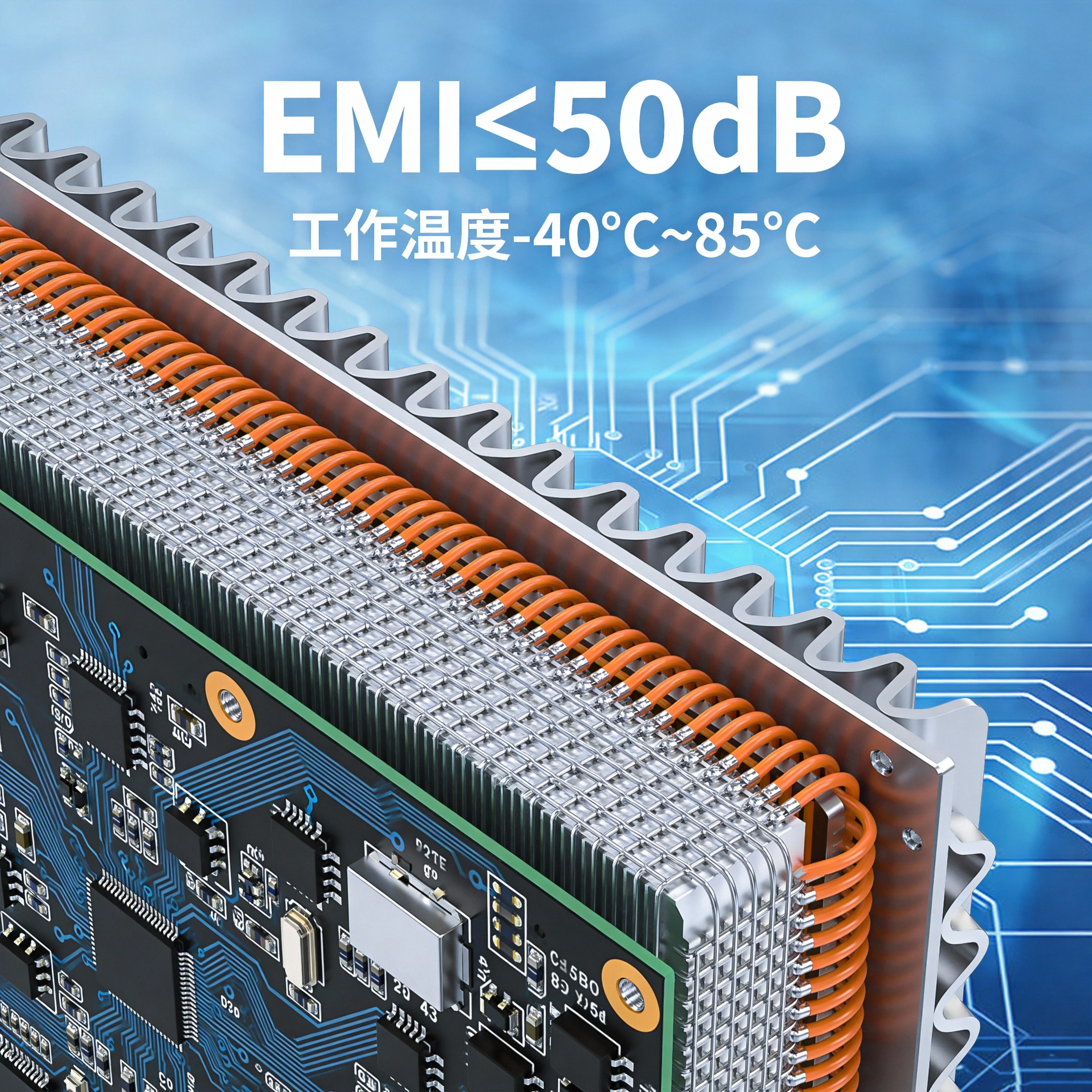
Industrial LCD displays integrate high-speed digital interfaces, power conversion circuits, and backlight drivers—all of which can act as sources or victims of electromagnetic interference.
Common EMI-sensitive elements include:
- LVDS, eDP, or MIPI signal lines
- Backlight driver switching circuits
- Touch controller interfaces
- Long cable connections
These vulnerabilities become more pronounced in electrically noisy environments, linking EMC design directly to environmental factors discussed in How Do Environmental Factors Impact Industrial LCD Reliability? .
Claim: Industrial LCDs are both EMI emitters and EMI receivers.
⚡ Designing displays for electrically noisy environments? Explore XIANHENG’s industrial LCD screen solutions engineered for EMC robustness .
How Do EMC Requirements Shape LCD Design Choices?
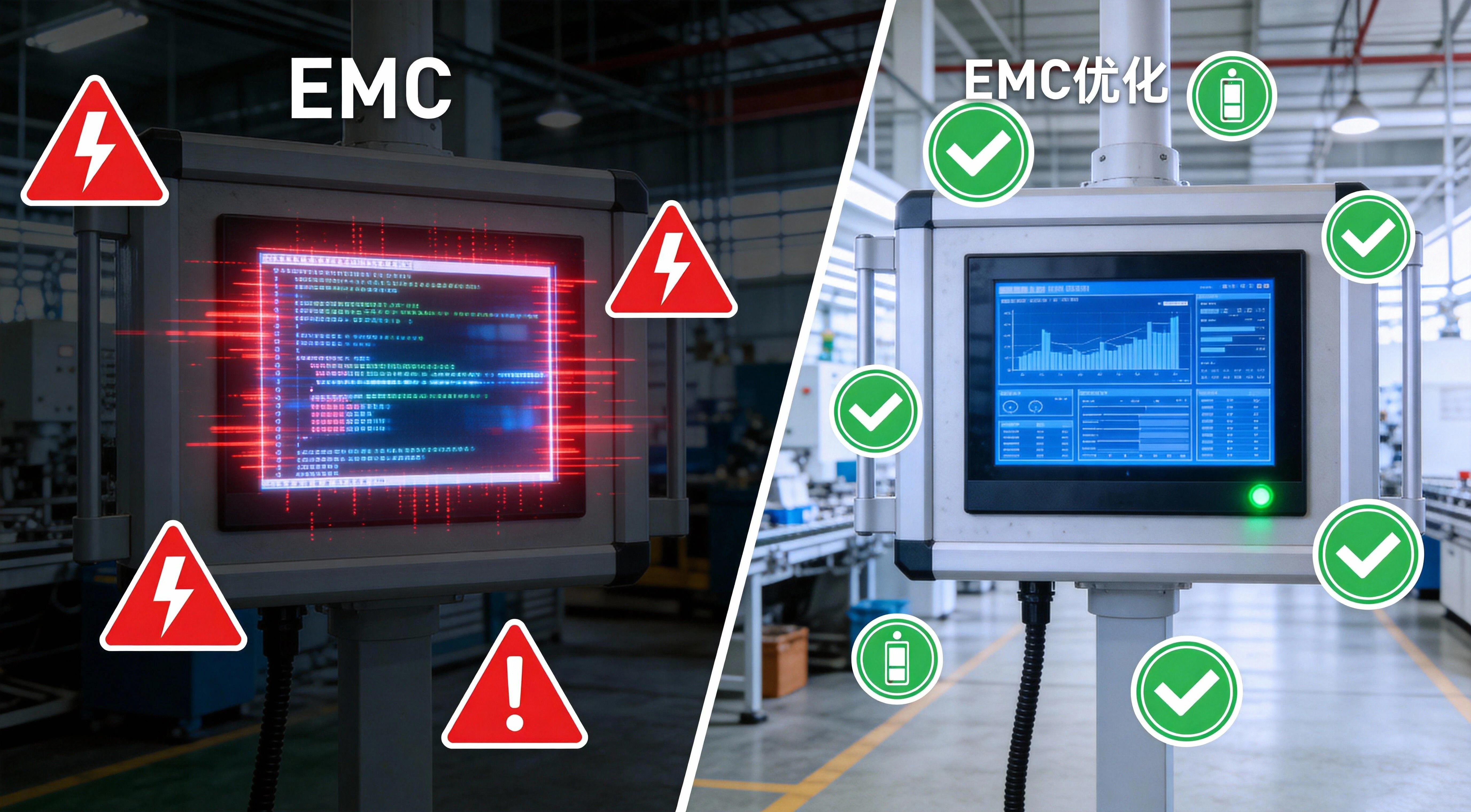
Meeting EMC requirements influences nearly every aspect of industrial LCD design, from circuit layout to mechanical construction.
Key EMC-driven design considerations include:
- Proper grounding and bonding strategies
- Shielded cables and connectors
- Controlled impedance signal routing
- Metal enclosures and conductive coatings
These measures must be implemented early in the design phase to avoid costly late-stage redesigns and testing failures.
Claim: EMC compliance is designed in, not tested in.
How Are EMC and EMI Validated in Practice?
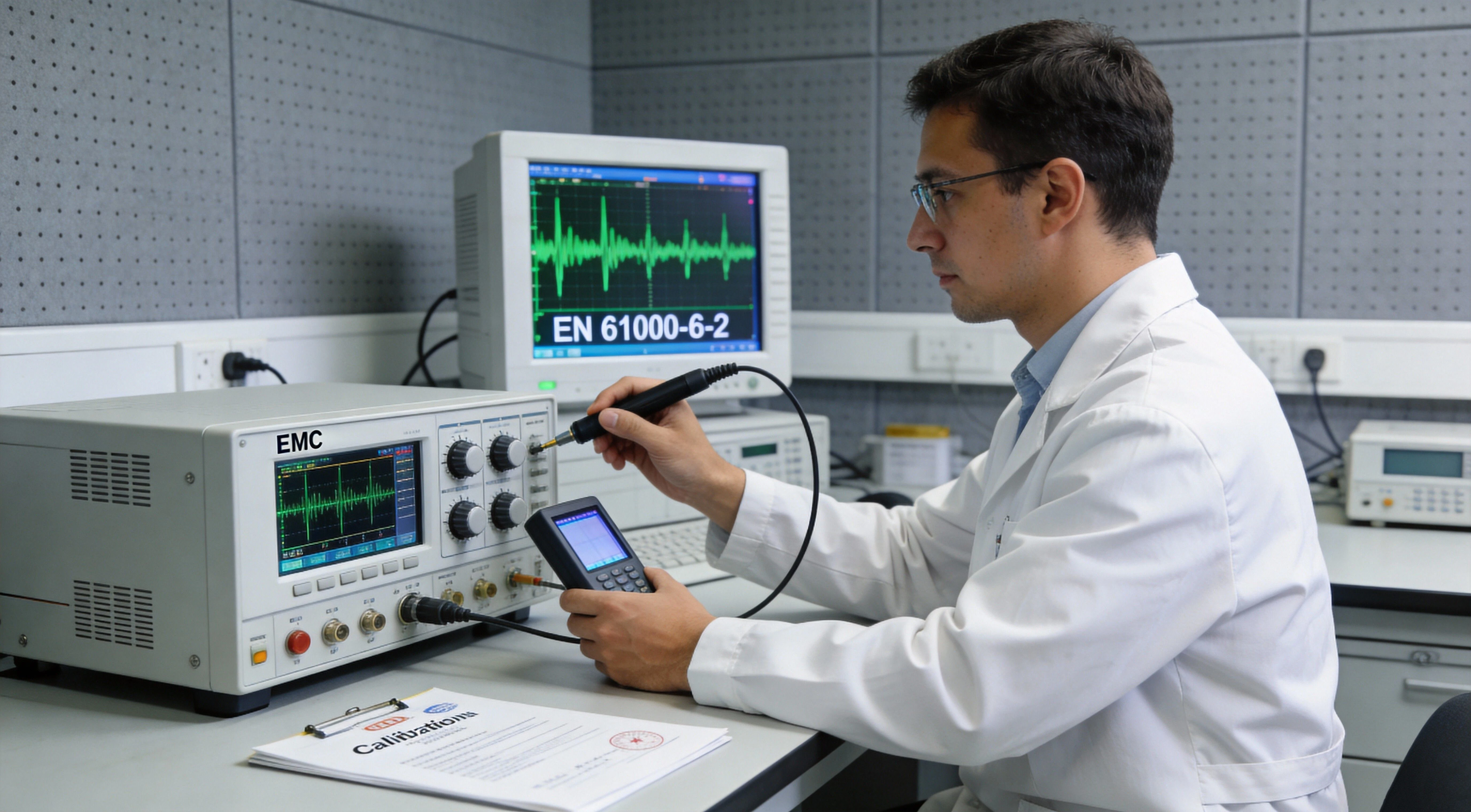
EMC and EMI compliance is verified through standardized testing procedures defined by IEC and EN regulations. These tests evaluate both emissions and immunity under controlled conditions.
Typical validation tests include:
- Radiated and conducted emissions testing
- Electrostatic discharge (ESD) immunity
- Electrical fast transient (EFT) immunity
- Surge and radiated immunity tests
These tests are closely aligned with the broader compliance framework introduced in What Are the Key IEC and EN Standards for Industrial LCD Displays? .
Claim: EMC testing validates design assumptions under worst-case conditions.
📩 Facing EMC challenges in your industrial display project? Contact XIANHENG’s engineering team for EMC-focused design support.
Conclusion
EMC and EMI requirements significantly shape the design, integration, and validation of industrial LCD displays. By addressing electromagnetic behavior at the system level, engineers can ensure stable operation, regulatory compliance, and long-term reliability.
As a core article within the Compliance Cluster of XIANHENG’s industrial LCD screen knowledge framework , this piece reinforces the importance of EMC-aware design in modern industrial display systems.


