
When evaluating an industrial LCD screen, backlight lifespan is often one of the first specifications engineers and buyers examine. However, the meaning of “backlight lifetime” is frequently misunderstood or oversimplified.
In reality, the lifespan of an industrial LCD backlight is influenced by multiple interacting factors—far beyond a single hour-rating on a datasheet.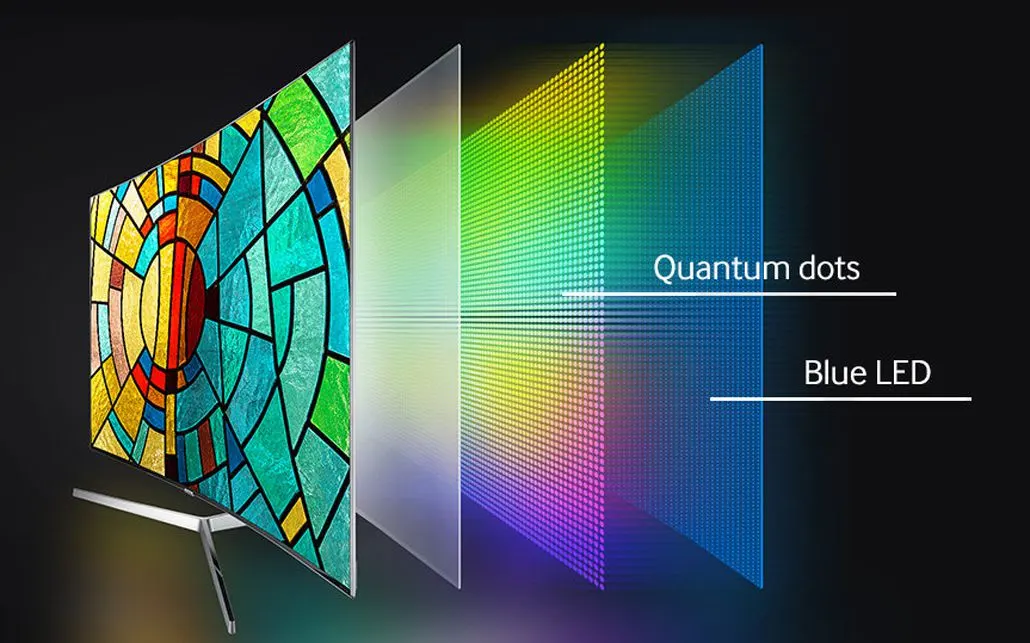
This article explains what truly determines industrial LCD backlight lifespan, how lifetime ratings should be interpreted, and how design and operating conditions shape long-term performance.
To understand backlight lifespan correctly, we must first clarify what “end of life” actually means for LED-based backlight systems.
Claim: Backlight lifespan reflects gradual performance degradation—not sudden failure.
Table of Contents
- What Does Backlight Lifespan Mean in Industrial LCDs?
- How Does LED Aging Affect Backlight Performance?
- Which Factors Most Influence Backlight Lifetime?
- How Can Engineers Extend Backlight Lifespan?
What Does Backlight Lifespan Mean in Industrial LCDs?
Backlight lifespan is typically defined as the time required for brightness to decrease to a specified percentage of its initial value. In most industrial specifications, this threshold is expressed as L70 or L50.
Common definitions include:
- L70: Brightness reduced to 70% of initial output
- L50: Brightness reduced to 50% of initial output
- Measured under controlled temperature and current conditions
Unlike MTBF, which focuses on failure events, backlight lifespan describes predictable optical degradation over time. This distinction is essential when planning long-lifecycle systems.
Claim: Backlight lifetime is an optical aging metric, not a reliability failure metric.
How Does LED Aging Affect Backlight Performance?
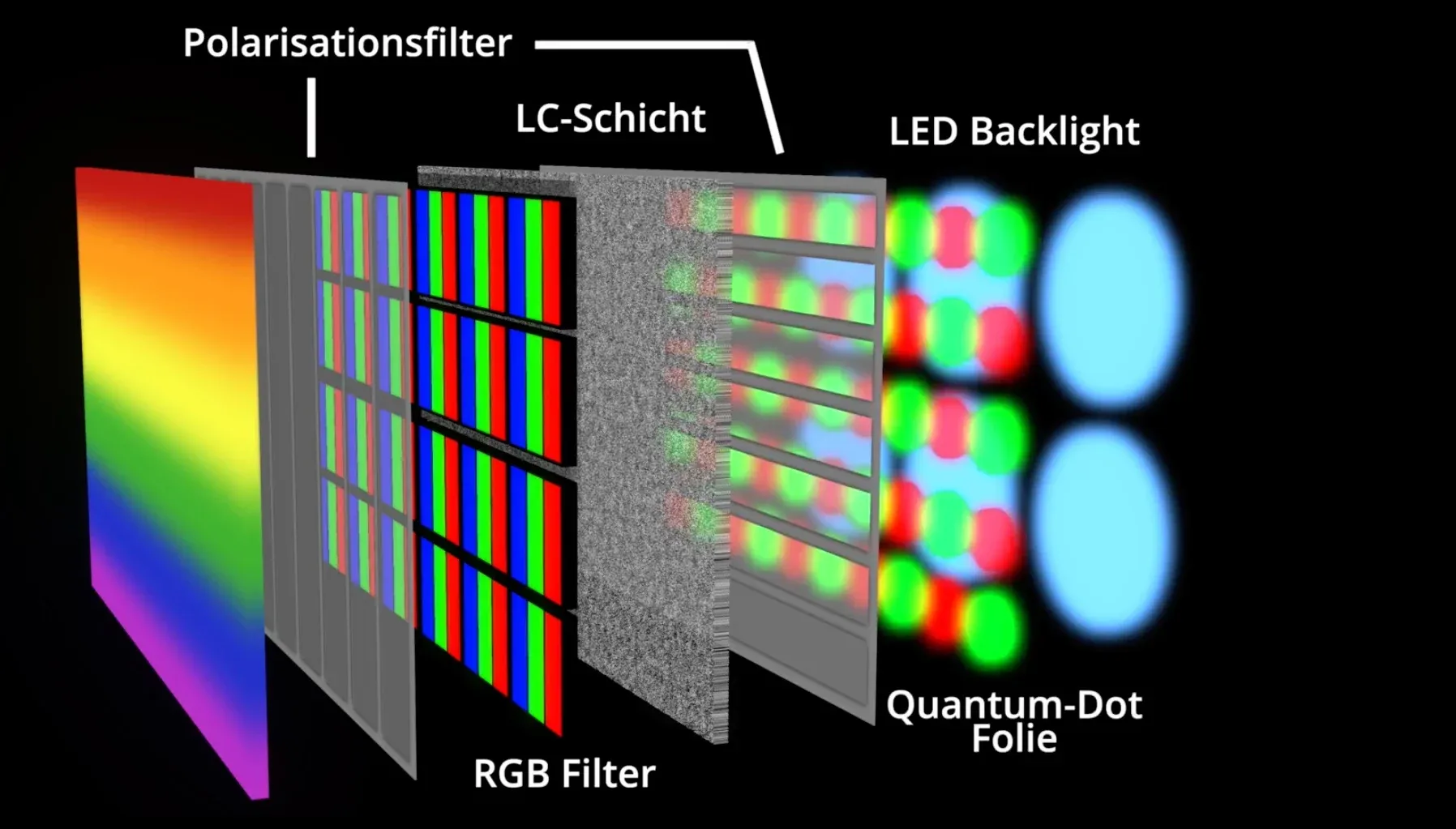
Industrial LCD backlights rely on LEDs, which gradually lose luminous efficiency as they age. This aging process is cumulative and irreversible.
Key effects of LED aging include:
- Progressive brightness reduction
- Potential color temperature shift
- Reduced contrast performance under high ambient light
- Increased drive current requirements over time
Because industrial systems often operate continuously, aging behavior becomes a critical design consideration—closely related to the continuous operation challenges discussed in How Do Industrial LCD Screens Handle 24/7 Continuous Operation? .
Claim: LED aging is inevitable, but its impact can be predicted and managed.
💡 Designing for long backlight life in harsh environments? Explore XIANHENG’s industrial LCD screen solutions optimized for long-term brightness stability .
Which Factors Most Influence Backlight Lifetime?
Several technical and environmental factors strongly influence the lifespan of an industrial LCD backlight. Among them, temperature and drive current are the most dominant.
Major influencing factors include:
- LED junction temperature
- Backlight drive current levels
- Thermal dissipation efficiency
- Operating duty cycle (continuous vs intermittent)
- Ambient environmental conditions
Even small increases in operating temperature can significantly accelerate brightness degradation, making thermal design a primary reliability driver.
Claim: Thermal conditions dominate industrial LCD backlight lifespan.
How Can Engineers Extend Backlight Lifespan?
While LED aging cannot be eliminated, engineers can significantly extend effective backlight lifespan through thoughtful system design and operating strategies.
Effective optimization methods include:
- Brightness derating and headroom planning
- Efficient thermal conduction paths
- Adaptive brightness control
- Backlight current margining
These approaches align closely with broader reliability strategies discussed in How Is MTBF Defined and Measured for Industrial LCD Screens? , helping engineers balance brightness performance with longevity.
Claim: Backlight lifespan is extended through design discipline, not specification alone.
📩 Need help balancing brightness and backlight lifetime for your application? Contact XIANHENG’s engineering team for tailored industrial display guidance.
Conclusion
The lifespan of an industrial LCD backlight is determined by a combination of LED aging behavior, thermal management, and operating strategy. Understanding these factors allows engineers to design systems that maintain sufficient brightness throughout their intended service life.
As part of the Reliability Cluster within XIANHENG’s industrial LCD screen knowledge framework , this article clarifies how backlight lifetime should be evaluated and optimized in real industrial environments.


